
The Sacred Enneagram: A Review and Conversation with Chris Heuertz, Part 2
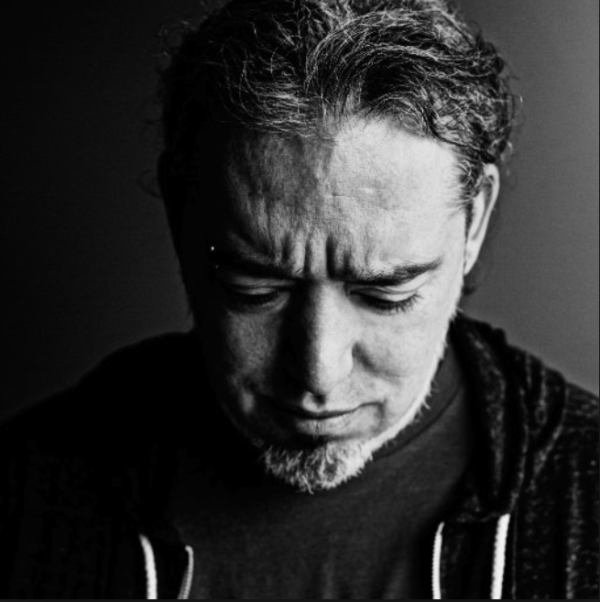
In Part 1, I introduced The Sacred Enneagram: Finding Your Unique Path to Spiritual Growth and started a conversation with its author, Chris Heuertz. We talked about why the Enneagram resonates with us, whether Christians should be worried about its fuzzy origins, and the specific prayer posture and intention that Chris has developed for each personality type. Now, we’ll go into more depth about how the Enneagram and contemplative prayer work together.
Chris writes in wonderful detail about “the unexpected gifts of solitude, silence and stillness.” Chris writes, “At first, solitude, silence and stillness trigger the most accessible emotion of each of the Centers of Intelligence.” He’s right! When I first began this practice, I found that as a Fear type, I was terrified; my heart raced the whole time. I asked for his suggestions for overcoming that initial discomfort based on one’s Center (fear for the Head Center, anger/frustration for the Gut, or guilt and shame for the Heart).
Just to press in. These feelings offer us the opportunity to explore what’s going on beneath the surface; they are gifts to help us recognize the lies at the core of our beings that we’ve believed for a long time.
When I began practicing stillness and silence, I felt guilty for not “doing” anything. I asked what Chris would say to folks who feel uncomfortable with the kind of prayer he advocates for each type.
This brings up the question of who God is to you. It’s about whether you’re going to hand over the prayer car keys to God, get in the back seat and let him drive. Maybe you’re worried God will wreck the car! Maybe you’re worried he’ll take you somewhere you don’t want to go. Maybe you’ve been driving prayer, playing the part of God, all this time. These are important insights. And they’re painful to the ego, but they are necessary.
I shared that I eventually felt so at peace and full of love during my silent rest that a) I didn’t want to ever leave and b) it seemed easy to be lulled into complacency – no outward action. How would he recommend people overcome those feelings?
I work with many Catholic orders that are focused on prayer, and I also spent 20 years in an aid agency. I saw many aid workers burn out because they didn’t take time to be still, solitary and silent. And it can be easy to devote your life to prayer such that you don’t ever leave your cloister. I spent a lot of time with Mother Theresa before she died. In the first three weeks volunteering at the Home for the Dying, I carried out 50 bodies. I was wrecked. Mother Theresa and her sisters prayed five times a day, and I originally thought it was the only way they could keep from burning out. But I realized that their prayer is what fueled their action. Caring for the poor was the fruit of their prayer. So, action is the natural result of contemplation.
As an Eight, Chris is a person of passion – a “lust for intensity,” as he describes it in the book. I asked him for an example of how contemplative prayer has helped him address that passion.
When I first started contemplative prayer, it immediately triggered the emotions of my center: anger and frustration. For an Eight to be still is extremely difficult; it can be really frustrating. Stopping and nurturing interior stillness can feel like a loss of exertion, or control. And so I often reframe the Eight fear from “fear of being controlled” to “fear of losing control.” This is why Eights need to consent as their mindfulness intention. To grow, we need to say “yes” to stopping so that we can own our vulnerability and choose to trust God.
The book ends wonderfully and practically with three examples of contemplative prayer for those who would like to get started, and this:
The Enneagram is one of the most effective companions to contemplative practice, a sacred map giving us new ways of seeing what we’ve been unable to see and new ways of finding our way home.
Contemplative prayer has been missing from the toolset of most American Protestants, and I am so pleased to see it coupled with the Enneagram, another tool I find indispensable. I thank Chris Heuertz for so thoughtfully and thoroughly gathering his knowledge, experience and insight into an informative, accessible, practical book. My review hasn’t really done it justice; I think only reading it can. I highly recommend The Sacred Enneagram: Finding Your Unique Path to Spiritual Growth.





Quick Start Guide to Centering Prayer
This short guide gives you the essentials for learning to be still and quiet before God so you can hear his voice and feel his love in a deeper way.
